
G SANKARA KURUP
Archives: Authors
G SANKARA KURUP
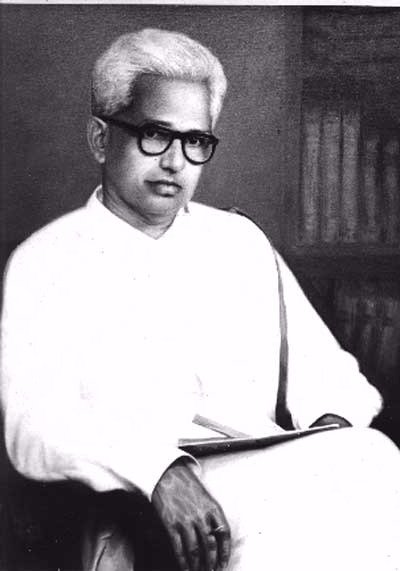
G. Sankara Kurup was born on June 3, 1901, in Nayathode near Kalady. He served as a teacher for ten years at the Thrissur Training College and for nineteen years at Maharaja’s College, Ernakulam. After retiring in 1956, he worked as a producer at All India Radio in Thiruvananthapuram. He was a member of the General Council of the Sahitya Akademi and a Fellow of the Kerala Sahitya Akademi. Kurup received several prestigious awards, including the Sahitya Akademi Award (1963), the Kerala Sahitya Akademi Award (1960), the first Jnanpith Award instituted by the Bharatiya Jnanpith (1965), and the Soviet Land Nehru Award (1967). In 1968, he was honored with the Padma Bhushan. Over his lifetime, he published a total of 49 works. He passed away on February 2, 1978. His major works include G. Sankara Kurup’s Selected Poems, G. Sankara Kurup’s Poems, Children’s Poems, and the acclaimed Odakkuzhal. He also translated Gitanjali into Malayalam.
K. P. Appan
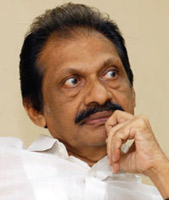
K. P. Appan was born in 1936 in Alappuzha. He earned a degree in science from S.D. College, Alappuzha, and a postgraduate degree in Malayalam from Maharaja’s College, Ernakulam. He served as a teacher at U.C. College, Aluva, and S.N. College, Cherthala, before retiring from S.N. College, Kollam. Appan began his literary career writing for Kaumudi weekly, edited by K. Balakrishnan. His first book, Kshobhikkunnavarude Suvishesham (The Gospel of the Agitated), was published in 1972. Some of his significant works include Thiraskaram, Kalahavum Vishwasavum, Charithrathe Agadhamaakkiya Guru, Bible: Velichathinte Kavacham, Madhuram Ninte Jeevitham, and Charithrathe Ningalodoppam Koottuka. He passed away on December 15, 2008.
V K N
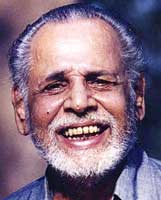
V. K. N. (Vadakke Koottala Narayanankutty Nair) was born on April 6, 1932, in Thiruvilwamala, Thrissur district. He worked as a journalist in Delhi from 1959 to 1969. Renowned for his sharp wit and satirical style, V. K. N. made significant contributions to Malayalam literature through his short stories and novels. His notable recognitions include the Kerala Sahitya Akademi Award for Aarohanam (1970), the Sahitya Akademi Award for Payyan Kathakal (1982), and the Muttathu Varkey Award for Pithamahan (1997). He also served as the Vice President of the Kerala Sahitya Akademi and as Chairman of the Kunchan Nambiar Memorial. V. K. N. passed away on January 25, 2004.
VAYALAR RAMA VARMA
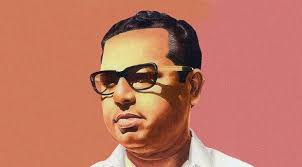
Vayalar Rama Varma was born on March 25, 1928, to Vellarappally Kerala Varma and Vayalar Raghavaparamil Ambalika Thampuratti. From a young age, he was trained in Sanskrit through the traditional gurukula system. Closely associated with the Communist movement, Vayalar was a prominent figure in Kerala’s social and cultural spheres. He received the Kerala Sahitya Akademi Award in 1961 for his poetry collection Sargageetham. A celebrated lyricist, he won the Kerala State Film Award for Best Lyricist three times and was honored with the President’s Gold Medal in 1974 as the best film lyricist in India. He passed away on October 27, 1975. His wife was Bharathithampuratti of the Chengannur Puthen Kovilakam, and they had four children: Sharachandran, Indulekha, Yamuna, and Sindhu. In his memory, the Vayalar Rama Varma Literary Award, one of Kerala’s most prestigious literary honors, has been awarded annually on October 27 since 1977.
M T VASUDEVAN NAIR
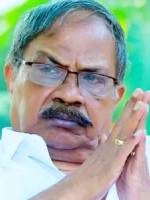
M. T. Vasudevan Nair is a renowned short story writer, novelist, screenwriter, and film director, born on July 15, 1933, in Kudallur near Ponnani. He began his career as a teacher and later worked as the associate editor and then editor of Mathrubhumi Weekly (1956–1981). He also served as the editor of Mathrubhumi Periodicals from 1988 to 1999. His literary brilliance earned him numerous accolades, including the Kendra Sahitya Akademi Award for Kaalam, the Kerala Sahitya Akademi Award for Naalukettu, the Vayalar Award for Randamoozham, the Odakkuzhal Award for Vanaprastham, and the prestigious Jnanpith Award. As a screenwriter, he won several Kerala State and National Film Awards, including the National Award for Best Film for Nirmalyam in 1974. He has been conferred honorary D.Litt degrees by both the University of Calicut and Mahatma Gandhi University. In 2004, the Government of India honored him with the Padma Bhushan.
VAIKOM MUHAMMAD BASHEER
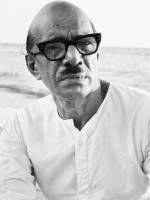
Vaikom Muhammad Basheer (1908–1994) was born on January 21, 1908, in Thalayolaparambu in the Vaikom taluk. He received his early education at a Malayalam school in his village and later at the English school in Vaikom. He joined the Indian National Congress and actively participated in the Salt Satyagraha held in Kozhikode as part of the Indian independence movement. For this, he endured police brutality and was imprisoned. He spent nearly ten years travelling across India, and later journeyed to countries like Africa and Arabia.
Basheer is renowned for his literary works such as Balyakalasakhi, Pathummayude Aadu, and Ntuppuppakkoranendarnnu!, which have been translated and published in all major Indian languages. Other notable works include Mathilukal, Shabdangal, and Premalekhanam. A collection of 16 short stories, including Poovan Pazham, was published in English by Orient Longman. He was honored with fellowships from both the Sahitya Akademi and the Kerala Sahitya Akademi. The Government of India awarded him the Padma Shri for his contributions to literature. Vaikom Muhammad Basheer passed away on July 5, 1994.
BHATTATHIRIPAD V T
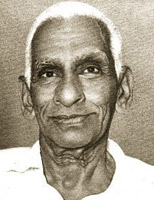
V. T. Bhattathiripad (1896–1982) was born on March 26, 1896, in Vellithiruthithazhe Illam, Merathur village in the former Ponnani taluk. While still in school, he published a student magazine titled Vidyarthi, printed using a stone lithograph under his own editorship. Even before appearing for his Fifth Form examination, he actively engaged in India’s national freedom movement and later in social reform activities, particularly aimed at reviving and transforming his own community. At the 22nd annual session of the Yogakshema Sabha, he staged the pioneering social reform play Adukkalayilninnu Arangaththakku (“From the Kitchen to the Stage”), which marked a revolutionary step in community reform. He was a bold leader in initiating progressive changes within the Brahmin community.
His autobiography Kanneerum Kinavum won the Kerala Sahitya Akademi Award in 1972, and he was honoured with the Kerala Sahitya Akademi Fellowship in 1976. V. T. Bhattathiripad passed away on February 12, 1982. His notable works include Rajaneerangam (short stories), Pomvazhi (short stories), Karinchanda (unpublished play), Sathyamennathu Ivide Manushyanaakunnu, Vedivattam, Kaalathinte Saakshi, Ente Mannu (all essays), Kanneerum Kinavum, Dakshinaayanam (autobiographies), Karmavipakam (collection of autobiographical sketches), V. T. yude Theranjedutha Kathakal (Selected Stories), and V. T. yude Sampoorna Krithikal (Complete Works).
UROOB
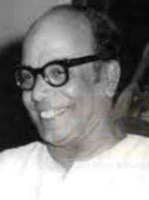
Uroob (P. C. Kuttikrishnan) (1915–1979) was born on June 8, 1915, in Paruthulli Chalappuram House in Pallippuram village near Ponnani. After completing his high school education, he wandered across various parts of South India without a clear direction, taking on diverse jobs such as compounder, teacher, clerk, supervisor in a banyan company, reader at K. R. Brothers, and editorial board member of Mangalamodayam magazine. From 1950 to 1975, he worked at All India Radio, Kozhikode, as a staff artist and producer. Later, he served as the editor of Kumkumam weekly and then the Malayala Manorama weekly magazine. His novel Sundarikalum Sundaranmarum received the Sahitya Akademi Award. Uroob authored around forty works, spanning novels, short stories, poems, plays, children’s literature, and essays. He also wrote the story and screenplay for Neelakkuyil, the first Malayalam film to win a national award. Uroob passed away on July 10, 1979, while serving as the editor of the Malayala Manorama weekly.
KOCHUBAVA T V
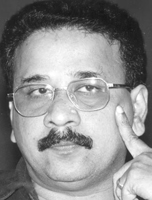
T. V. Kochubava (1955–1999) was born in 1955 in Kattur, Thrissur district. A prolific writer, he authored 23 works across genres such as novels, short story collections, and translations. Some of his notable works include Onnangane Onningane, Veetippol Nishabdhamanu, Bhoomishastram, Prachchannam, Avatharika Bhoopadangalekku, Villanmar Samsarikkumbol, Prarthanakalode Nilkkunnu, Kathayum Jeevithavum Onnaytheerunnathineppatti, Vriddhasadanam, Perungaliyattam, and Virunnumeshayilekku Nilavilikalode. His acclaimed work Vriddhasadanam received the Cherukad Award in 1995 and the Kerala Sahitya Akademi Award in 1996. He passed away on November 25, 1999.
SUGATHAKUMARI
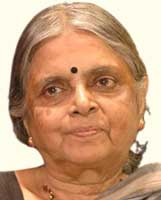
Sugathakumari (1934–2020) was born in January 1934 and earned a Master’s degree in Philosophy. She served as the Principal of Jawahar Balabhavan in Thiruvananthapuram, editor of the children’s magazine Thalir, and Chairperson of the State Women’s Commission. She was also the founding secretary of both the Prakriti Samrakshana Samithi (Nature Conservation Society) and Abhaya, a shelter for women and the mentally ill. A celebrated poet and activist, she received numerous awards including the Kerala Sahitya Akademi Award for Pathirappookkal, the Sahitya Akademi Award, the Sahitya Pravarthaka Award for Rathrimazha, the Odakkuzhal Award, Asan Prize, Vayalar Award for Ambalamani, the Asan Memorial Committee (Madras) Award for Kurinjippookkal, the Vishwadeepam Award for Thulavarshappacha, Vallathol Award, Balamani Amma Award, P. Kunhiraman Nair Award, Lifetime Achievement Award for Children’s Literature, Basheer Award, V.T. Sahitya Award, Mathrubhumi Literary Award, Panampilly Pratibha Award, Sreesakthi Award, Abu Dhabi Malayali Samajam Award for Radhayevide?, Janmashtami Award for Krishnakavithakal, the Bhattia Award for social service, the Sacred Soul International Award, and India’s first Vrikshamitra Award from the Government of India for her work in environmental conservation. She also received the Kerala Sahitya Akademi Fellowship, Durga Bai Deshmukh Award (as secretary of Abhaya), the prestigious Ezhuthachan Puraskaram, and the Saraswati Samman. In 2006, the Indian government honored her with the Padma Shri. She passed away on December 23, 2020.